
What If You Live Far Away From Your Ill or Dying Loved One?
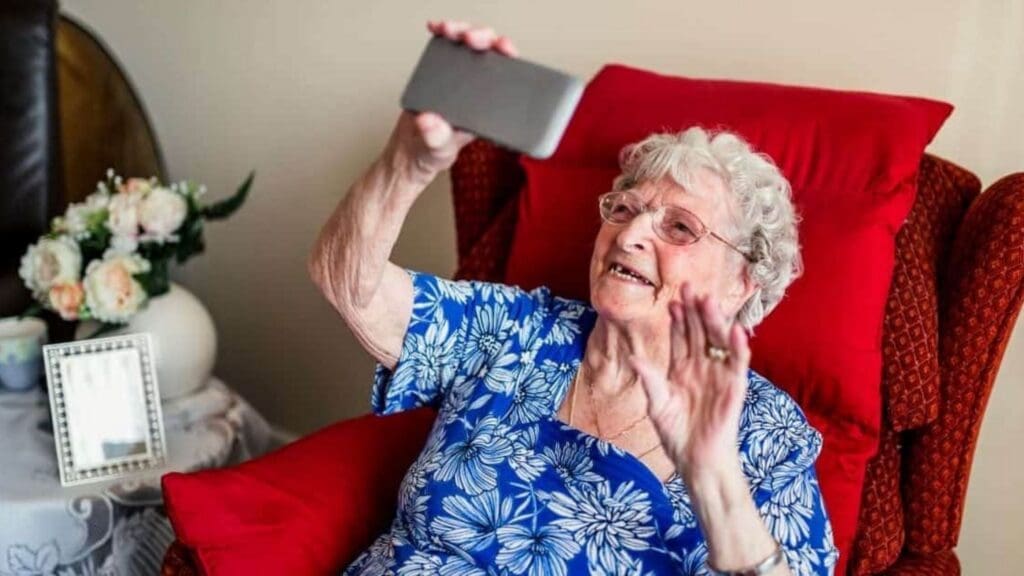
Living far away from someone you love can bring a quiet, persistent worry, especially if they are ageing, unwell, or approaching the end of life. You may find yourself asking: How can I support them from a distance? What if something happens and I am not there?
These concerns are deeply human. The good news is that distance does not mean disconnection. With some thoughtful planning and support, you can still play a meaningful and reassuring role.
The Emotional Reality of Distance
Being far away can bring a mix of emotions:
- Guilt for not being physically present
- Anxiety about sudden changes in health
- Helplessness when practical needs arise
- Sadness about missing time together
It is important to acknowledge these feelings rather than push them aside. They often come from love and a desire to care well.
At the same time, it helps to recognise that being physically close does not always equal being emotionally or practically supportive. Many families who live nearby still feel unsure about what to do. What matters most is intentional connection and clear communication.
Staying Meaningfully Connected
Distance requires a shift from “being there” to “staying engaged.”
Some simple but powerful ways to stay connected include:
- Regular video or phone calls, not just quick check-ins
- Setting a rhythm, such as a weekly longer conversation
- Asking deeper questions about how they are really feeling
- Sharing stories, memories, and everyday life moments
These interactions build emotional closeness, which often becomes more important than physical proximity over time.
Planning Ahead Brings Peace of Mind
One of the most practical things you can do from afar is support planning conversations early.
This might include:
- Understanding their medical wishes and preferences
- Encouraging completion of an Advance Care Directive
- Knowing who their nominated decision-maker is
- Discussing preferences for care, environment, and end-of-life rituals
When these conversations happen early, they reduce uncertainty later. You are no longer guessing what your loved one would want, you know.
Build a Local Support Network
If you cannot be there physically, it is essential that someone can.
This could include:
- Family members or close friends nearby
- Neighbours who can check in
- Health professionals or community services
- A trusted end-of-life doula
A local support network becomes your “eyes, ears, and hands” when needed. It also ensures your loved one is not alone during important moments.
The Role of an End-of-Life Doula
An end-of-life doula can be especially valuable when families are spread out.
They can:
- Provide regular in-person support and companionship
- Keep you updated with clear, compassionate communication
- Help facilitate conversations you may find difficult from afar
- Support your loved one emotionally, practically, and spiritually
- Guide both of you through the unfolding process
Rather than replacing family, a doula extends your presence and helps bridge the gap that distance creates.
Preparing for “What If” Moments
One of the hardest parts of living far away is the fear of sudden change.
It helps to have a gentle but practical plan:
- How quickly could you travel if needed?
- Who would contact you, and how?
- What signs would indicate things are changing?
- Are there important moments your loved one wants you present for?
Having these conversations does not make anything happen sooner. It simply reduces panic if something does change.
Making Visits Meaningful
When you do spend time together, it can feel heightened, sometimes even pressured.
Try to focus less on “making it perfect” and more on being present:
- Have the conversations you have been putting off
- Capture stories, memories, or messages
- Sit together in ordinary moments, not just structured ones
- Allow space for both laughter and sadness
Often, it is these simple, real moments that stay with you.
Letting Go of the Idea of “Being There for Everything”
This is the hardest truth, but also the most freeing:
You may not be there for every moment. And that does not mean you have failed your loved one.
What matters is that:
- They feel loved and supported
- Their wishes are known and respected
- They are not alone
- You have shown up in the ways that were possible for you
Presence is not only physical. It is emotional, relational, and intentional.
A Different Kind of Closeness
Distance can deepen relationships in unexpected ways. Conversations often become more intentional. Words that might have been left unsaid are spoken. Appreciation becomes clearer.
While it is not always easy, it is possible to stay connected, supportive, and deeply involved, even from afar.
Final Thought
If you are navigating this situation, you are not alone. Many families today are spread across cities, states, and countries.
What makes the difference is not geography, but how you choose to stay connected, communicate, and plan.
And sometimes, the most loving thing you can do is to build a circle of support around your loved one that carries your care, even when you cannot physically be there.