Burial or Cremation: Which Is Right for You?
When we’re faced with end-of-life decisions, it’s easy to default to what feels familiar, what family expects, or what seems simplest at the time. But your body disposition is one of the most personal choices you’ll make. It deserves thought.
Here’s the truth most people avoid: there isn’t a “right” choice between burial and cremation. There’s only the choice that aligns with your values, your people, and the kind of experience you want to create around your death.
This decision becomes much clearer when you stop thinking about it as a transaction and start seeing it as a reflection of what matters to you. Let’s walk through what actually matters.
Burial: Returning to the Earth
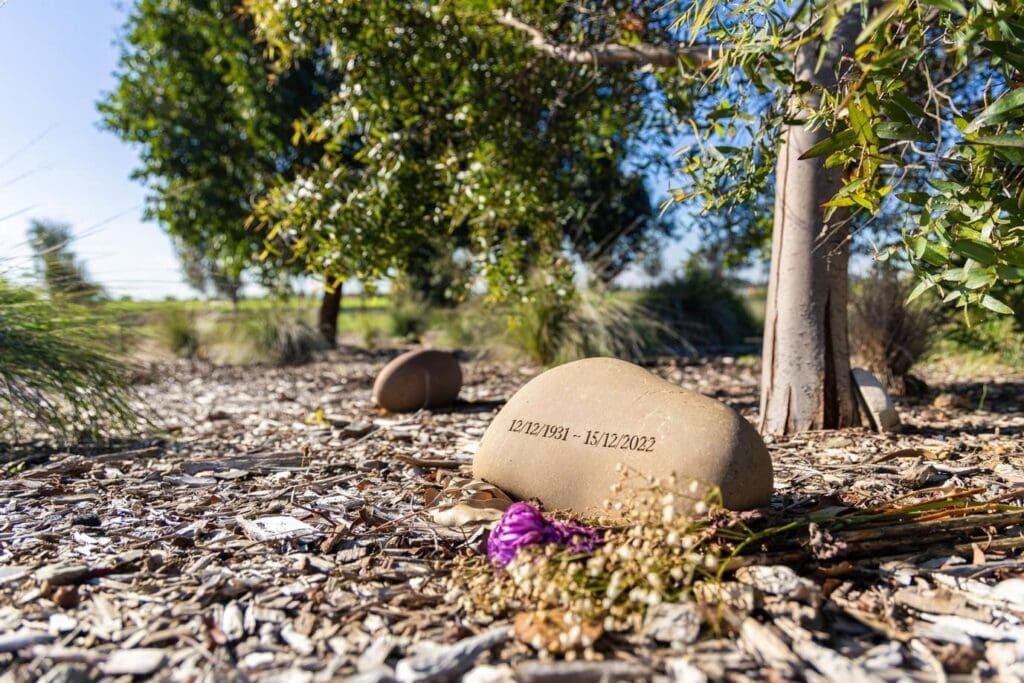
Burial is the more traditional choice, and for many people, it carries a strong sense of ritual, place, and permanence.
What draws people to burial:
- A physical place to visit and remember
- Cultural or religious traditions
- The symbolism of returning the body to the earth
- A slower, more tangible farewell process
Things to consider:
- Cost: Burial is typically more expensive due to the plot, coffin, and cemetery fees
- Environmental impact: Traditional burials can involve embalming chemicals and non-biodegradable materials
- Maintenance: Gravesites require ongoing care, either by family or the cemetery
There is also a growing movement toward natural or green burial, which removes chemicals and uses biodegradable materials. For many, this offers a middle ground between tradition and environmental values.
Cremation: Simplicity and Flexibility
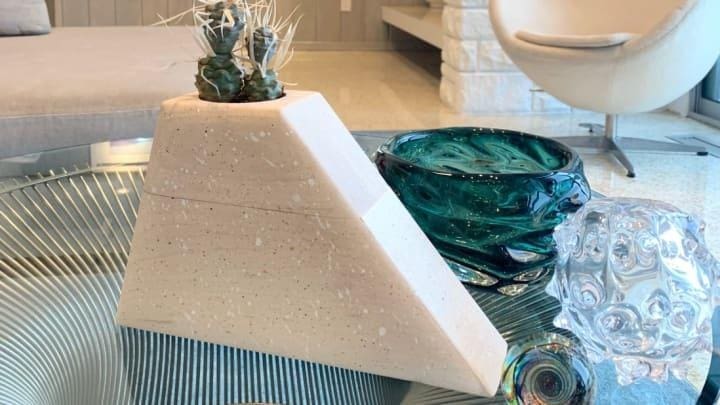
Cremation has become increasingly common, and not just because of cost. It offers flexibility that burial often doesn’t.
What draws people to cremation:
- Lower overall cost
- Freedom to hold a memorial at any time or place
- Options for ashes (keeping, scattering, dividing among family)
- Less pressure to make immediate decisions
Things to consider:
- No permanent place unless created: Some families struggle without a dedicated site to visit
- Decision fatigue: Ashes still require a decision later, and this can be unexpectedly difficult
- Emotional timing: Delayed ceremonies can sometimes delay aspects of grief
Cremation can be incredibly meaningful, but it works best when there’s still intention around how the person will be honoured.
The Questions That Actually Matter
Instead of asking “Which is better?”, ask yourself:
- Do I want a place people can visit, or an experience they can carry with them?
- What are my environmental values?
- How important are cultural, spiritual, or family traditions?
- What will make things easier or more meaningful for my loved ones?
- Do I want my farewell to be structured and immediate, or flexible and evolving?
These questions will guide you far more clearly than comparing features or prices.
There Are More Options Than You Think
This isn’t a binary choice anymore. You might consider:
- Natural burial in a conservation cemetery
- Cremation with ashes buried later
- Ashes incorporated into memorial objects or reefs
- Family-led home funerals before either option
The real opportunity here is to create something that feels aligned, not just acceptable.
A Final Thought
Your choice doesn’t just affect what happens to your body. It shapes the experience your loved ones will have in those first days, weeks, and years after your death.
So don’t rush it. Don’t outsource it. And don’t assume the default is the right fit for you. Take the time to decide what feels true.