Hospital, Hospice, or Home Death: What’s the Best Choice?
When someone is approaching the end of life, one of the most important decisions is where they will die. For many families, this question arrives suddenly, often during an already emotional time. Others have the opportunity to plan ahead and consider what environment best reflects their values, comfort, and wishes.
There is no single “best” choice. But there is a best choice for each individual.
Understanding the differences between hospital, hospice, and home death can help you make a decision that feels informed, supported, and aligned.
Hospital Death
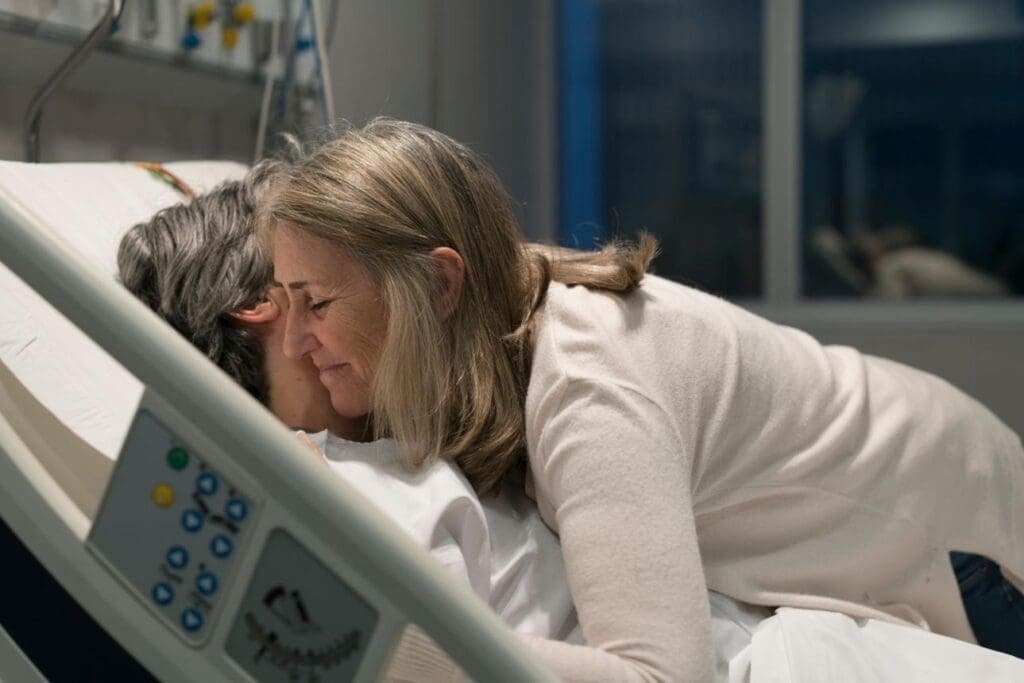
Hospitals are often where people end up by default, particularly when there has been a sudden deterioration or medical crisis.
When hospital care makes sense
A hospital may be the right setting when:
- There are complex or unmanaged symptoms requiring medical intervention
- The situation is acute or unpredictable
- Ongoing diagnostic or life-prolonging treatment is still being pursued
- Families feel safer with immediate access to medical staff
What to consider
Hospitals are designed for treatment and intervention. This can mean:
- A more clinical and busy environment
- Less control over who is present and when
- Limited flexibility around rituals, atmosphere, and privacy
While hospitals can provide excellent care, they are not always designed for a peaceful or personalised dying experience.
Hospice Care
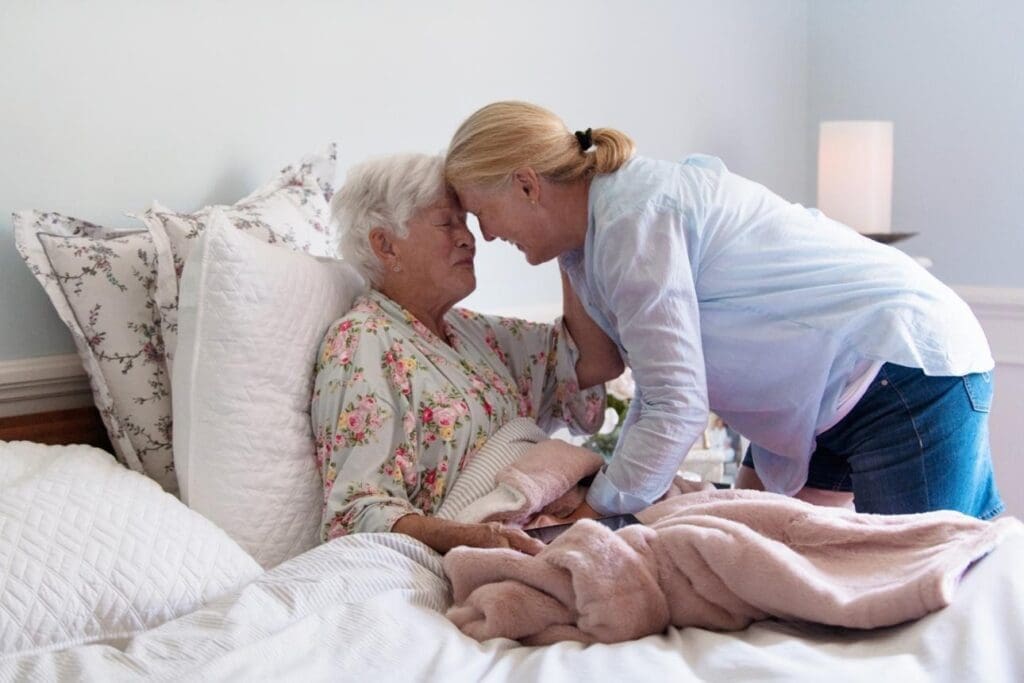
Hospice care focuses on comfort, dignity, and quality of life, rather than cure. In Australia, hospice services are often part of the broader palliative care system.
When hospice may be the right choice
Hospice care is ideal when:
- The focus has shifted from cure to comfort and symptom management
- Pain and symptoms need specialist palliative support
- Families want a calm, supportive environment without the demands of caregiving at home
What to consider
Hospice offers:
- A more peaceful, home-like setting than a hospital
- Access to specialist palliative care teams
- Emotional and psychological support for both the person and their family
However:
- It is still a shared care environment, not fully private
- Availability can be limited depending on location
- Some families feel a loss of control compared to being at home
Dying at Home
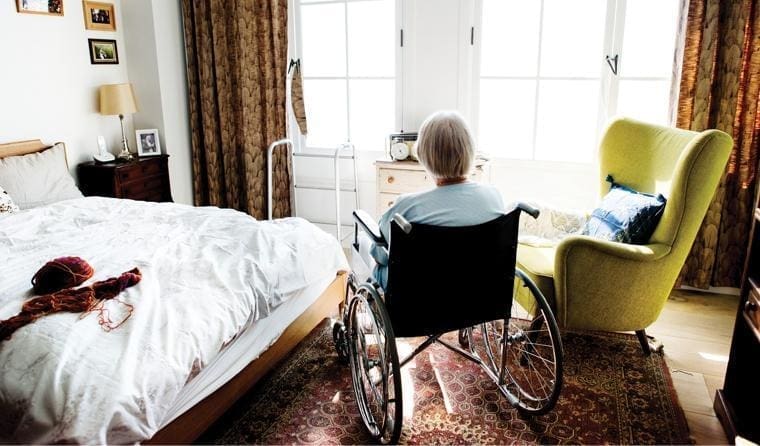
For many people, home is where they feel most comfortable, most themselves, and most at peace.
When home may be the right choice
A home death can be a beautiful option when:
- The person wants to be in a familiar, meaningful environment
- There is support available (family, friends, or professionals)
- Symptoms can be managed with community palliative care support
- There is a desire for greater control over the experience
What to consider
Dying at home allows:
- Freedom to shape the environment with music, scent, lighting, and presence
- Flexibility around who is there and how the space feels
- Opportunities for deep connection, ritual, and meaningful moments
It also requires:
- Willingness from family or carers to be involved
- Coordination with palliative care teams and support services
- Some planning, particularly around what happens after death
With the right support, many families find this to be the most personal and healing option.
So, What’s the Best Choice?
The honest answer is: it depends on what matters most to you.
Here are a few grounding questions to help guide the decision:
- Where does the person feel most safe and at ease?
- What level of medical support is needed?
- How important is privacy and control?
- Who is available to provide care and support?
- What kind of atmosphere feels right for the end of life?
It’s Not Always One or the Other
It’s also important to know that these options are not fixed.
Many people:
- Begin in hospital, then transition to hospice or home
- Receive hospice or palliative care support at home
- Move between settings as needs change
Flexibility is often part of the journey.
Planning Makes All the Difference
Too often, these decisions are made in crisis. When there is no plan, the default is usually hospital care.
Taking the time to:
- Document your wishes in an Advance Care Directive
- Appoint a Medical Treatment Decision Maker
- Talk openly with your family
…can make it far more likely that your preferences are honoured.
Final Thoughts
There is no perfect place to die. But there is a place that can feel more aligned, more supportive, and more meaningful.
Whether it is a hospital, a hospice, or your own home, what matters most is that the environment reflects:
- Your values
- Your needs
- Your sense of comfort and dignity
And most importantly, that you and your loved ones feel supported every step of the way.