What to Do in the First 24 Hours After a Death
When someone dies, time can feel distorted. The world keeps moving, but you may feel suspended between shock, grief, and responsibility.
The first 24 hours are not about “getting everything right.” They are about creating safety, allowing space, and taking only the next necessary step.
This guide will help you navigate what needs to happen, gently and practically.
1. Breathe
Before making calls or decisions, take a moment. Sit with your loved one. Breathe. Let the reality land in your body.
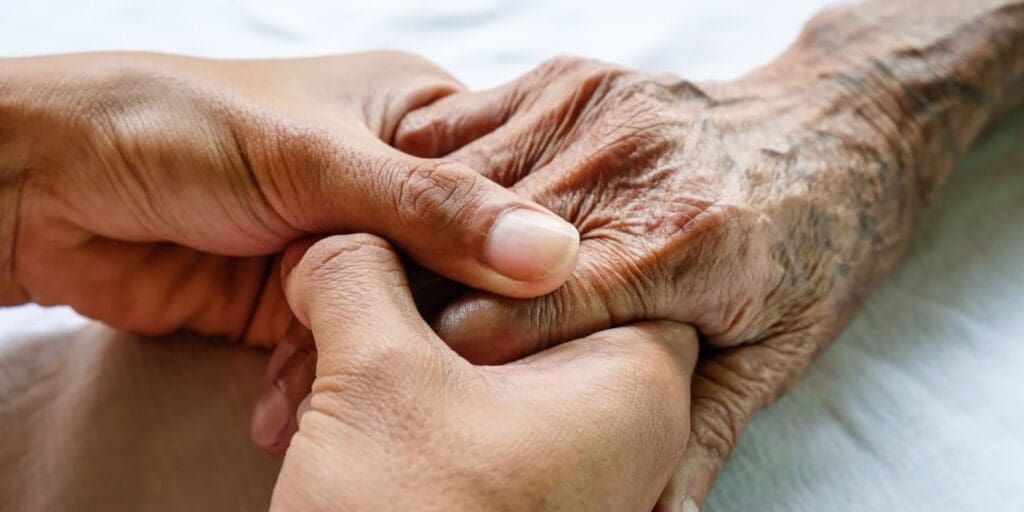
There is no emergency in most expected deaths. You have time. If it feels right, you might sit quietly and hold their hand, open a window or light a candle.
You might invite close family to gather and just be together.
These first moments matter. They are part of the goodbye.
2. Confirm the Death
What happens next depends on where and how the death occurred.
If the death was expected (home, palliative care):
When you are ready, call the palliative care team, GP, or nurse. A doctor or authorised professional will need to certify the death.
If the death was unexpected:
As soon as possible, call emergency services (000 in Australia). Police and medical personnel may attend.
This step is required before anything else can move forward.
3. Spend Time With the Body (If You Wish)
Many people don’t realise this, but you do not have to rush.
In Australia, it is generally possible to spend several hours, even longer, with the body at home if the death was expected and properly certified.
You might want to create a calm, respectful environment and place meaningful objects nearby.
You may wish to wash and dress your loved one or conduct a ceremonial ritual as you sit vigil with family and friends. Anything that is beautiful and meaningful to you is welcome. This can be a deeply important part of the grieving process.
If you feel unsure, a doula or funeral professional can support you through this.
4. Notify Key People
Once you’re ready, begin informing others.
Start with immediate family, close friends and anyone who needs to know urgently.
You do not need to call everyone at once. It is okay to ask someone else to help make calls or send a simple message.
Make sure to take breaks between conversations to care for your own needs. You are not responsible for managing everyone else’s emotions right now.
5. Contact a Funeral Director (or Plan a Home Funeral)
Within the first day, you will usually need to decide who will care for the body.
Your options include:
- Engaging a funeral director
- Arranging a family-led or home funeral
A funeral director can:
- Transfer your loved one into their care
- Help with legal paperwork
- Guide next steps
If you are considering a home funeral, you can take more time, but you may still want guidance from a doula or other professional to ensure everything is done correctly.
6. Begin Legal and Administrative Steps
You don’t need to complete everything immediately, but a few early steps help things move smoothly.
These may include:
- Locating a will (if one exists)
- Identifying the executor
- Gathering key documents (ID, medical records if relevant)
If you are doing the funeral arrangements yourself, note that the death must be registered within seven days of the burial or cremation. You can apply for the official death certificate when registered.
7. Care for the Environment
If the death occurred at home, you might want to gently tend the space.
Simple actions can help:
- Open windows for fresh air
- Adjust lighting to something soft
- Play quiet music if it feels right
- Make tea or offer food to those present
You are creating a space that holds both grief and care.
8. Care for Yourself
This is the part people often skip, but it matters just as much as everything else.
In the first 24 hours make sure you stay hydrated and eat something, even if just a little.
Rest if you can. Accept help when it’s offered.
Shock can mask exhaustion. Your body will need support.
9. Know What Can Wait
Not everything is urgent. You do not need to finalise funeral details immediately.
You do not need to make big decisions under pressure or notify every organisation right away. There will be time for all of that.
For now, focus on what is in front of you.
10. Let This Be a Human Experience, Not Just a Process
It’s easy to slip into “task mode” after a death, but this moment is not just administrative. It is relational, emotional, and deeply human.
There is no perfect way to do this. Presence matters more than performance.
A Gentle Closing Thought
The first 24 hours after a death are tender and often surreal.
If you can, slow things down. Stay close to what matters. Let support come in.
You don’t have to do this alone.